
WooCommerce Get Product Attribute IDs with WPML

jam, fruit jar, label, fruit, jam, jam, jam, jam, label, label, label, label, label

In a recent Business Bloomer Club Slack thread, a developer was struggling to retrieve attribute IDs from WooCommerce product variations—something made more complex by the use of WPML and the Show Single Variations plugin by Iconic.

While getting the attribute slug was straightforward, converting that into a term ID or accessing the actual attribute ID for translated products wasn’t working as expected.

With multiple workarounds tested and a fair amount of debugging, the solution ended up being a mix of PHP functions and a deeper understanding of how WPML interacts with variable products and their translations. Here’s how it all unfolded.

Continue reading WooCommerce Get Product Attribute IDs with WPML
Enhancing WooCommerce Search with Custom Product Attributes

A person reaching for a red encyclopedia on a neatly organized bookshelf in a library.

A robust search function is paramount for any successful WooCommerce store. Customers rely on search to quickly locate the products they need, and a poorly performing or limited search experience can lead to frustration and lost sales.

A common challenge faced by WooCommerce store owners is the inability of the default search functionality to include custom product attributes. These attributes, which often contain crucial product information like size, color, material, or specific features, are essential for customers seeking products based on those criteria.

This post explores various methods for enhancing WooCommerce search by incorporating custom product attributes into the search index. We’ll examine different approaches, from simple code snippets suitable for smaller stores to more powerful solutions designed for large, high-traffic websites. We’ll also discuss the potential performance implications of each approach, providing guidance on how to choose the best solution for your specific needs and ensuring a smooth and efficient search experience for your customers.

Finding the right balance between functionality, performance, and ease of implementation is key to creating a WooCommerce store that meets the needs of both your customers and your business.

Continue reading Enhancing WooCommerce Search with Custom Product Attributes

WooCommerce: Programmatically Rename Variable Product Attribute Options

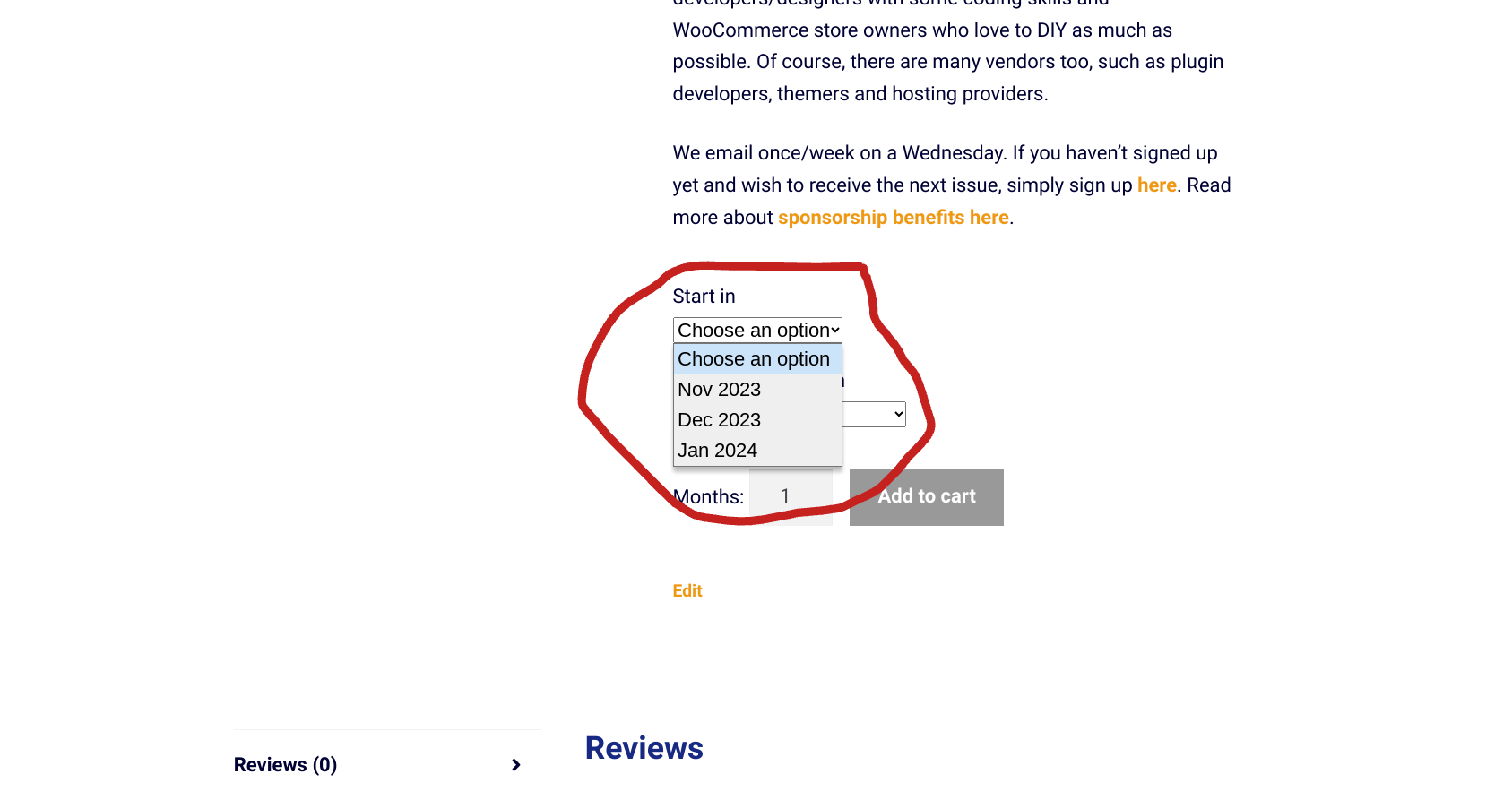
I think the easiest way to explain this customization is with a case study. Go to this variable product page, that I use to sell sponsorship packages on the WooWeekly newsletter: https://www.businessbloomer.com/shop/newsletters/wooweekly-sponsorship/

Now, take a look at the “Start in” attribute dropdown. That’s where a company picks the month for when the sponsorship starts. You will notice that this always displays the next 3 months based on today’s date!

And that’s exactly what I’ve done with the code below. Instead of manually changing the attribute names to “Nov 2023”, “Dec 2023”, “Jan 2024” in October 2023, then changing them again in November, and so on – I’ve come up with a way to rename attribute options dynamically, so that I don’t need to do this every month.

Which means, enjoy, and hope you can make the most of this snippet in case you need it too!

Continue reading WooCommerce: Programmatically Rename Variable Product Attribute Options

WooCommerce: Products Attributes in a Shortcode

Products attributes display on the single product page whenever attribute terms are assigned to a given WooCommerce product. This is the default behaviour.

However, what if you want to show the product attribute table somewhere else? For example, in a blog post, or in a custom pricing table?

Well, we can build a shortcode for that – simply specify a product ID and the shortcode will magically output its attributes. Enjoy!

Continue reading WooCommerce: Products Attributes in a Shortcode