

A lot of people in the WordPress space reacted strongly on May 12, 2026 when the StellarWP websites started redirecting to Liquid Web landing pages. Suddenly brands like Kadence, LearnDash, GiveWP, The Events Calendar, IconicWP and others looked like they had disappeared overnight.
I saw many tweets calling this “the end of an era”, and I understand the emotional reaction. These are products many of us have used for years. Some of these companies were founder-led businesses with strong identities, loyal communities, and recognizable brands at WordCamps and across the WooCommerce and WordPress ecosystem.
They also carried a lot of SEO value, years of backlinks, and strong brand recognition within the WordPress ecosystem. These were not random plugin websites. They were established businesses that many people trusted and followed for years.
Still, I think the reaction became bigger than the actual situation. My opinion is that this is not a shutdown story. It’s a consolidation story.
People Reacted Like The Brands Were Gone
The redirects and missing websites created panic very quickly. From the outside, it looked like all the individual brands had been erased and replaced by generic corporate landing pages. That naturally made people think the products themselves were dying.
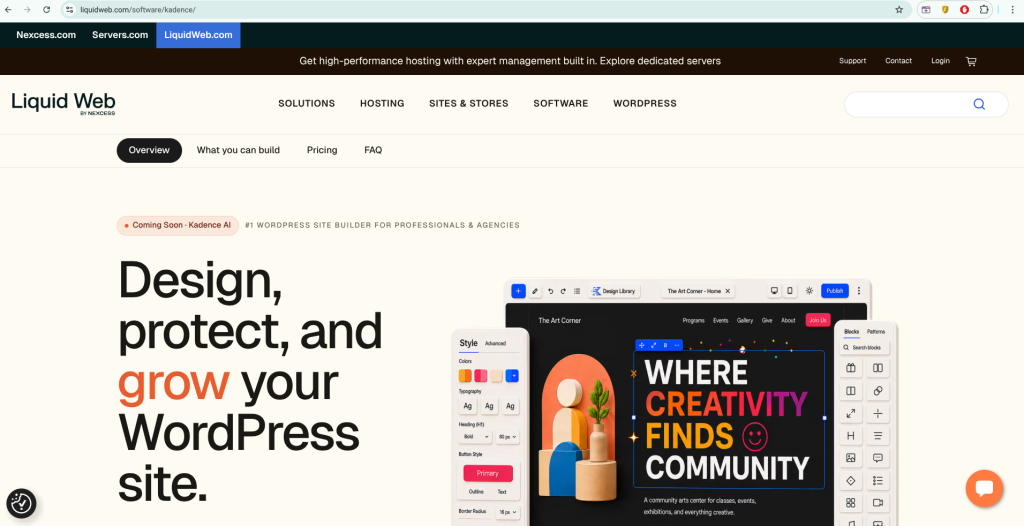
This is where kadencewp.com redirects to now:
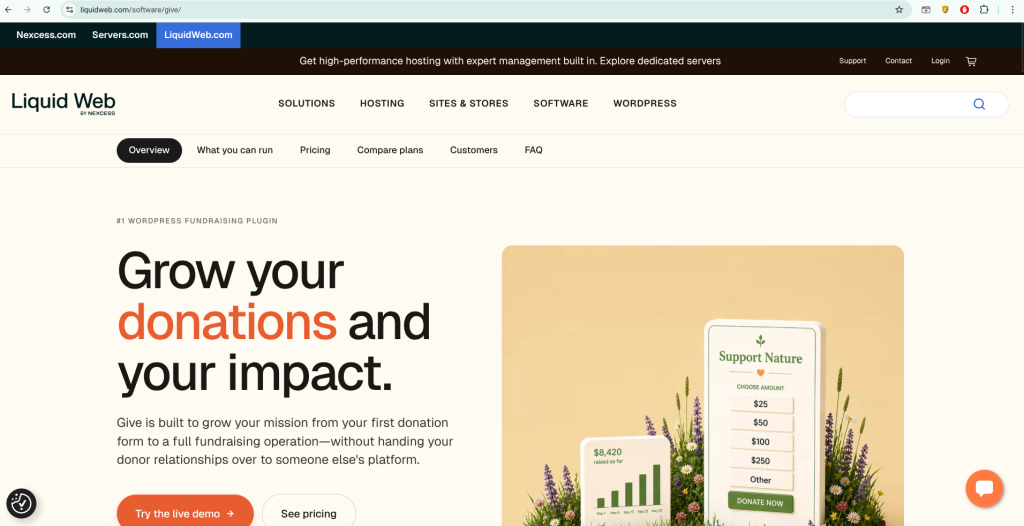
This is the new redirect for givewp.com:
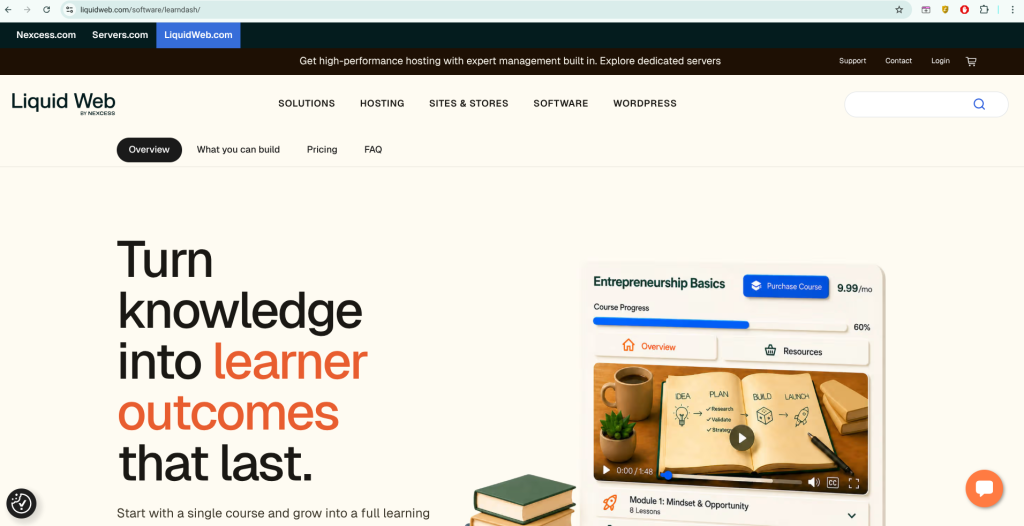
This is where learndash.com goes to now:
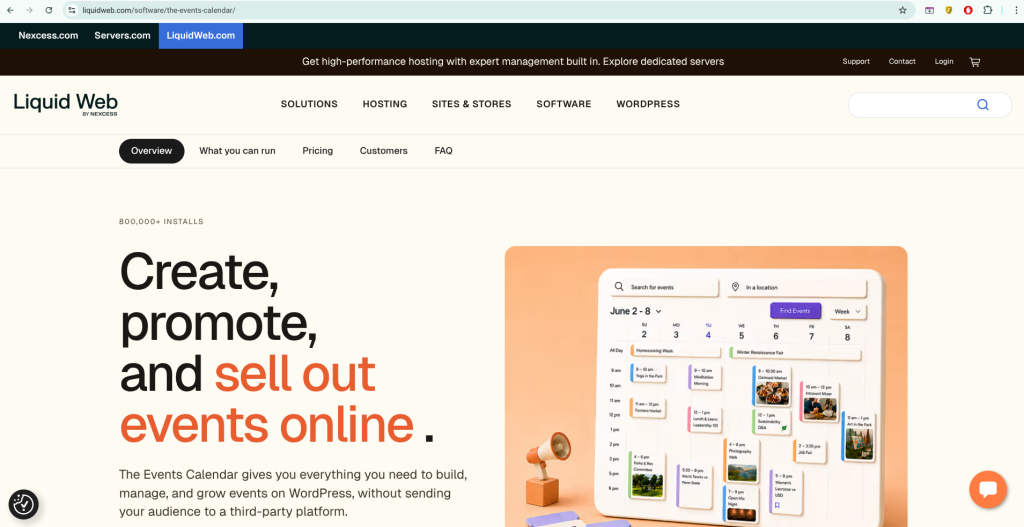
And this is the new home for theeventscalendar.com:
Finally, this is where iconicwp.com goes:
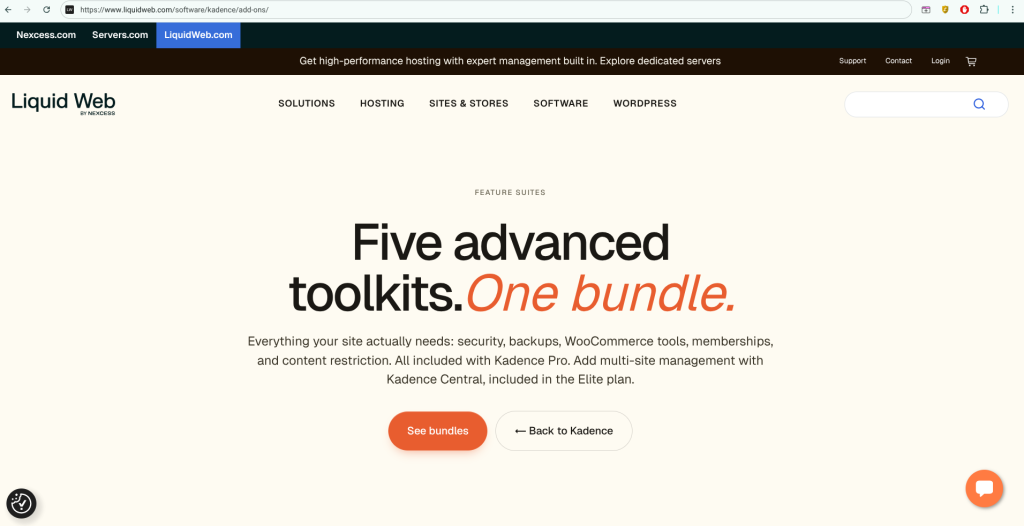
Yet, products are not websites.
LearnDash still exists. GiveWP still exists. Kadence still exists. The Events Calendar still exists. Even IconicWP still exists (under a different name, “Shop kit for WooCommerce“). Customers will still use them, support will still be there, updates will still happen, and those products will continue to power a massive number of WordPress websites.
Yes, the communication and rollout could have been much better. The first impression felt abrupt. The landing pages are not that great yet. Existing customers got confused.
But I think many people immediately jumped to the worst possible conclusion before understanding what was actually changing.
The Founders Agreed To This Years Ago
One thing I think people forget is that none of this happened against the founders’ will.
These companies were acquired years ago. LearnDash (Justin Ferriman), GiveWP (Matt Cromwell and Devin Walker), Kadence (Ben Ritner), IconicWP (James Kemp) and others all became part of the StellarWP portfolio during the acquisition wave around 2020 and 2021. The founders signed those deals willingly, likely for very good financial reasons and long-term opportunities.
Once you sell your company, you are also giving the buyer the freedom to change direction in the future. That includes branding, packaging, staffing, positioning, pricing, websites, and strategy.
So I don’t think founders should now act shocked or sad about the fact the brands are being reorganized under Liquid Web. That possibility always existed from the moment the acquisition contracts were signed.
It’s definitely a bummer to see each brand website go, but that’s the reality of these deals. After the various acquisitions, the new owners gained total control over the branding. Whether they chose to rebrand, discontinue, or merge, that’s unfortunately their call to make, even if it’s a shame to see the original names go.
The WordPress Product Market Changed
The WordPress plugin market today is very different from 2020.
During covid, many software companies saw explosive growth. Online businesses grew fast, agencies were busy, and plugin sales were much easier than they are today. A lot of acquisitions happened during that period because everyone expected the growth to continue.
It didn’t 🙂
Right now almost every serious WordPress business is talking about slower sales, tougher competition, higher support costs, more AI pressure, and overall market fatigue. So when I look at this move from Liquid Web, I honestly think they probably looked at the numbers and realized running many separate brands and websites no longer made sense.
Managing multiple companies is expensive. Multiple teams, multiple marketing systems, multiple websites, multiple subscriptions, multiple product strategies. At some point someone probably said: we need to simplify this entire thing.
This Is Bigger Than Individual Plugins
I think this is the part many people are missing.
Liquid Web is probably no longer thinking in terms of standalone plugins. They are thinking in terms of ecosystems.
The competition today is not “my plugin vs your plugin”. The competition is platforms and ecosystems like Elementor, Divi, Shopify, Wix, and all-in-one experiences where users buy into a full solution instead of installing ten separate products from ten different companies.
Seen from that angle, consolidating everything under Liquid Web and building a larger WooCommerce and WordPress ecosystem actually makes sense to me.
A single subscription, unified branding, shared onboarding, shared UX, shared support, shared upsells. That strategy is not crazy at all. In fact, it may be the only way larger WordPress companies can compete long term.
The Launch Was Messy, But I Understand Why
Do I think the launch was perfect? Nope, not at all.
The redirects were confusing. Some landing pages felt unfinished. Messaging was inconsistent. A lot of users were left wondering what was happening. It created uncertainty at the worst possible time.
But I also understand how corporate environments work.
Large companies move under pressure. Decisions happen internally, deadlines appear suddenly, leadership wants results quickly, and sometimes the choice becomes simple: launch now and improve later. They usually don’t have the luxury of waiting until every detail is polished.
From the outside we see a messy rollout. Internally, they probably saw urgency.
I Didn’t Like Some Of The Reactions
One thing I really didn’t like was seeing some founders and competitors publicly acting “sad” about the situation while quietly promoting their own alternatives at the same time.
I don’t respect that approach.
Competition is normal. Wanting customers is normal. Building better products is normal. But using confusion around another company to push your own business forward while pretending to be emotionally affected by the situation felt wrong to me.
That’s not how I personally like to do business in WordPress.
We should compete by building great products, helping users, improving support, shipping features, and creating value. Not by celebrating when another company has a difficult public moment.
These Products Are Not Going Anywhere
Some people are talking as if these products disappeared overnight. That’s simply not true.
Kadence still has a huge user base. LearnDash powers thousands of courses. GiveWP is deeply integrated into the nonprofit space. The Events Calendar is everywhere. These are established products with large customer bases and strong market positions.
Even the IconicWP situation was not a total shutdown. Most of that functionality was merged into Shop Kit for WooCommerce inside the Kadence ecosystem. From what I saw, only one plugin was discontinued during the process (WooThumbs, as they have an existing solution inside Shop Kit).
This feels much more like restructuring and consolidation than abandonment.
This Was A Very Bold Move
At the end of the day, this was a very unusual move for the WordPress space.
Maybe it works. Maybe it doesn’t.
But I think it’s far too early to declare this a failure or the “death” of these brands. Liquid Web made a big strategic bet. They are trying to simplify operations, unify products, and compete at ecosystem level instead of plugin level.
That’s a risky move. But sometimes companies under pressure need to make risky moves.
Now we wait and see if they can execute properly.
P.S. I don’t have any current business relationship with Liquid Web or any of the brands mentioned. Just sharing my personal take.