When an established company decides to enter the WooCommerce ecosystem, it’s not just another product launch—it’s a reputation gamble.
Take Wise as an example. Founded in 2011 to solve real-world currency exchange frustrations, it grew into a global financial platform serving millions (including me).
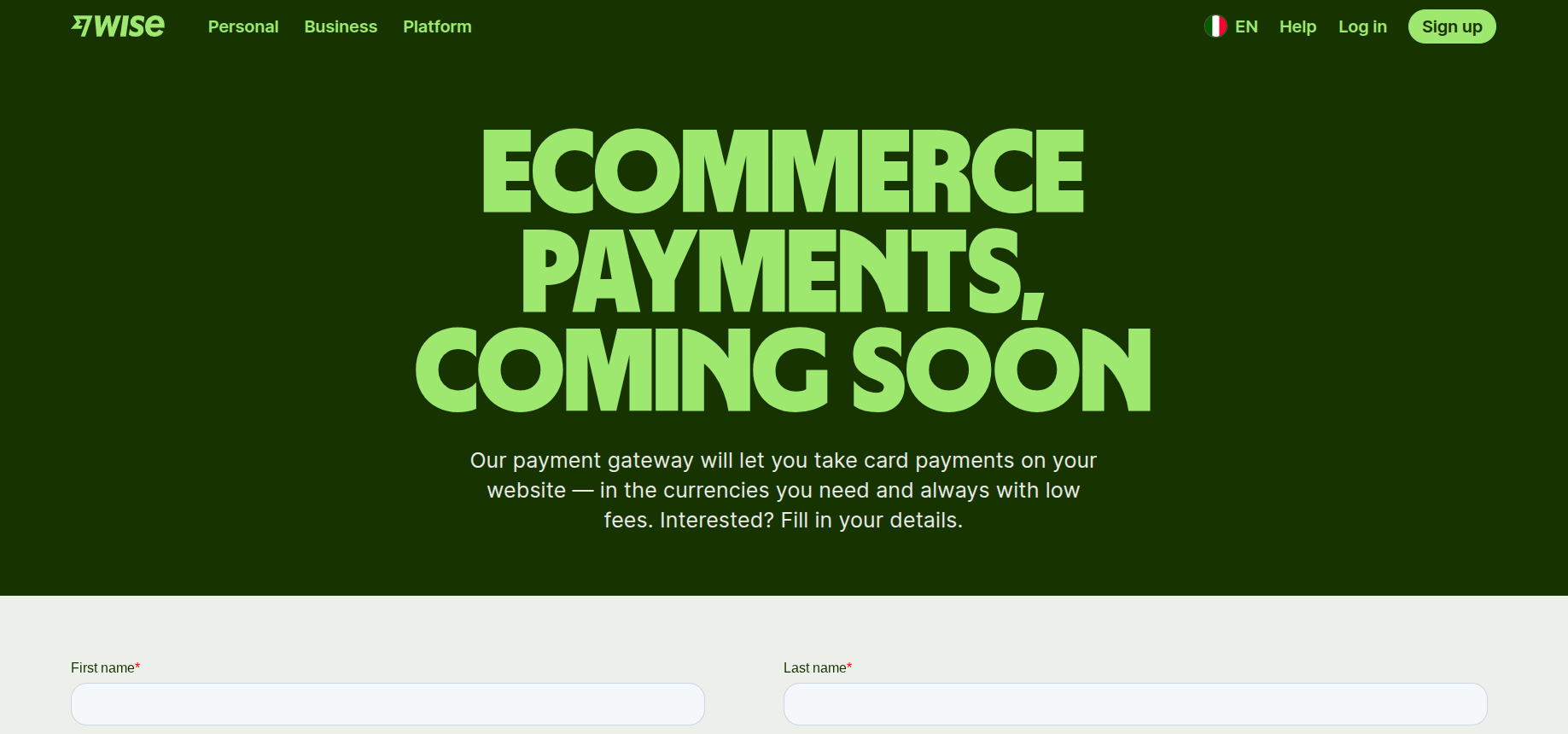
Yet, despite its scale and technical expertise, it had never built for WordPress or its commerce layer until… now. With a new payment gateway for WooCommerce on the horizon, it’s clear they’re approaching this market intentionally rather than casually.
And that’s rare. Most brands underestimate what it takes to succeed in the WooCommerce world, assuming development alone, plus a recognized logo, are enough. They are not.
Entering this space requires research, positioning, and community awareness—otherwise even the biggest names risk launching to silence, criticism, or worse: broken stores.
What fascinates me isn’t just that a major company is entering the space. It’s how they do it—and how different that approach is compared to the typical plugin launch we see every week.
So, if you’re a big brand (but the same applies if you’re a new company) entering the WP space, read on and see what research and positioning is required before writing your first line of code!
The Myths Companies Believe About Entering Woo
Brands often assume that reputation transfers automatically across markets. If they dominate fintech, SaaS, or enterprise software, they expect similar traction in any other ecosystem. Unfortunately, being famous somewhere else doesn’t make you trusted here in the WordPress world.
Another common assumption is that distribution will be easy. “We already have millions of customers” sounds reassuring internally, yet getting WordPress / WooCommerce users to download your free plugin is a different story.
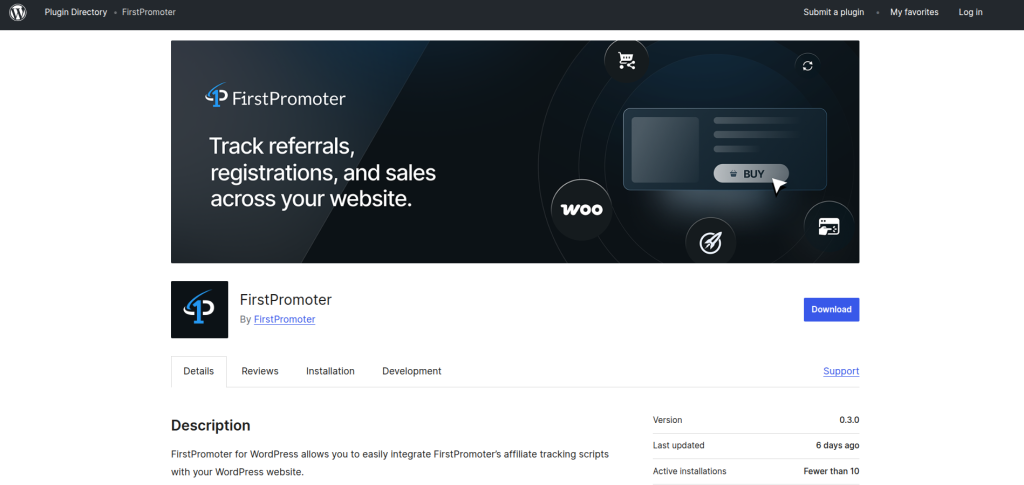
Here’s an example from the WordPress plugin repository. I’d expect the FirstPromoter plugin, which integrates WordPress with an affiliate platform that “tracks $30M+ in affiliate revenue every month“, to be popular from day 1… but no, it still comes with “Fewer than 10 active installations”:
The biggest misconception of all is thinking this is just another integration. It’s not. WordPress is an ecosystem with its own rules, expectations, and technical quirks.
Why Market Size Is the First Reality Check
Before writing a single line of code, brands need to understand whether the opportunity is actually worth pursuing. Not every plugin category has the same demand, and install numbers can be misleading if you don’t segment by merchant type, geography, or store size.
Market size isn’t just about total users—it’s about reachable users. A payment solution that works beautifully for enterprise merchants might be irrelevant to small stores. Without clarity here, teams risk building a product for an audience that doesn’t exist.
This step sounds obvious, yet most companies skip it. They assume that because the platform is large, their niche within it must be large too. That assumption is often wrong.
Back to the FirstPromoter example, I can fairly say affiliate marketing is mainly dead in the last 2-3 years, and that probably gives us an idea about why they have so few installations.
Plugin Success Factors Most Outsiders Miss
Speed is not a feature in this ecosystem—it’s a requirement. If a plugin slows down checkout, increases API calls, or conflicts with caching, merchants won’t hesitate to remove it. Performance is reputation.
Compatibility is another hidden challenge. A plugin must work across themes, hosting environments, PHP versions, and dozens of popular extensions. Passing internal QA is meaningless if real-world stores break.
Then there’s maintenance. Launching is the easy part. Updates, support tickets, bug fixes, and compatibility patches determine whether a plugin survives long term. Many brands underestimate how resource-intensive this phase is.
WordPress people won’t generally write nice things about you, no matter if your brand is well known or not, when it comes to leaving plugin reviews. This is an example from the official Klarna plugin for WooCommerce—some developers are… going nuts:

Community: The Real Gatekeeper
Developers and agencies shape adoption more than marketing campaigns do. They’re the ones recommending tools, building stores, and deciding which integrations clients should trust. Winning them over is more important than running ads.
Word spreads quickly in this space. A plugin that performs well gets recommended in Slack groups, forums, and private chats. A plugin that fails spreads just as fast—but with warnings attached.
This is why showing up matters. Conferences, meetups, and direct conversations build credibility faster than any landing page ever could. Presence signals commitment, and commitment earns trust.
Wise did the right move, and right in the middle of launching their WooCommerce plugin, decided to step up and sponsor Checkout Summit, my in-person WooCommerce conference. They’re also speaking. This is such a great way to get immediate feedback, meet the community, and develop a better product-

Reputation Risk Is Higher for Big Brands
When a small unknown plugin fails, people shrug and move on. When a globally recognized company ships a buggy integration, screenshots circulate. Expectations scale with brand size.
Performance issues are especially dangerous. If checkout errors appear, conversion rates drop—and merchants notice immediately. In ecommerce, even small technical flaws have direct financial consequences.
Support is another pressure point. Big brands are expected to provide fast, professional help. Slow responses or generic replies can damage trust faster than any technical bug.
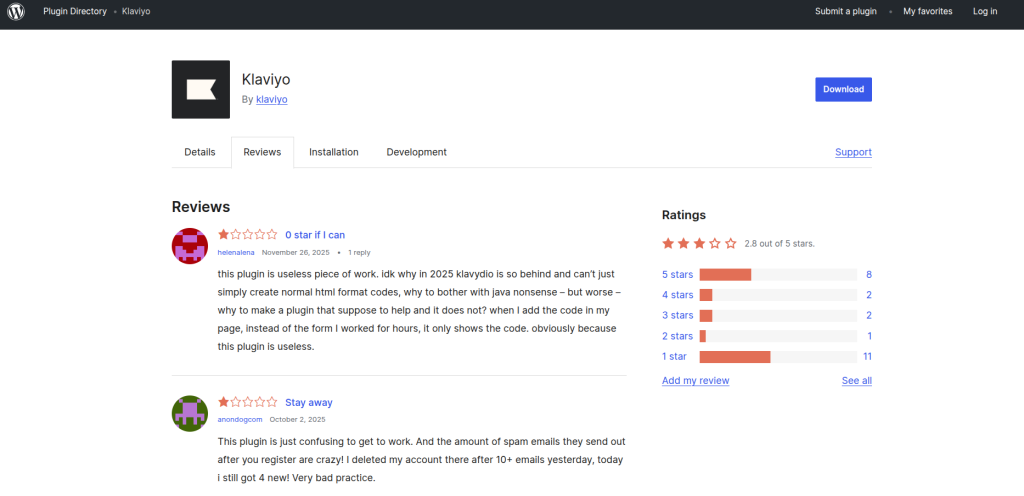
Take a look at the Klaviyo plugin for WooCommerce. You can see it’s missing already a descriptive name, it comes with no banner graphic, and the reviews are not great. Let’s say they could’ve done a better job:
The Smart Entry Strategy
The companies that succeed don’t rush. They validate demand, map the ecosystem, talk to insiders, and test assumptions before committing to development. Research is their competitive advantage.
Partnerships also play a huge role. Collaborating with people who already understand the space shortens the learning curve dramatically. Instead of guessing what merchants want, they hear it directly.
And finally, they show up. Not just online, but physically—at events, conversations, and community spaces. Visibility isn’t marketing here; it’s proof of seriousness.
What Smaller Plugin Builders Can Learn From This
Ironically, smaller developers can benefit the most from watching big brands enter. The process reveals what actually matters: validation before coding, positioning before promotion, and relationships before scale.
Indie builders often move fast because they have to. But speed without direction wastes effort. Taking time to understand users, competitors, and expectations leads to better products and fewer rewrites.
The lesson is simple: success in this ecosystem isn’t about size. It’s about preparation. Big brands are finally starting to realize that—and those who learn it fastest will win.