WooCommerce has a massive advantage over every ecommerce platform out there, and somehow we’re barely using it.
In the era of Playground, instant sandboxes, software onboarding, and interactive product tours, it feels almost unforgivable that WooCommerce still doesn’t offer a proper 1-click demo experience.
Just click a button and play with a fully functional store in seconds!
Unlike SaaS platforms, WooCommerce already sits on top of WordPress, Playground exists, and we can spin up disposable environments almost instantly. Imagine a guided WooCommerce demo packed with some test orders, a bunch of sample products, onboarding tooltips, and interactive walkthroughs that show people exactly why WooCommerce is powerful.
Instead, most of the time we send potential users to long landing pages, technical docs, fancy case studies, and scattered YouTube videos… I think we can do much better.
WooCommerce Has a Massive Advantage
WooCommerce already has the infrastructure to pull this off. Playground changed the game. We can literally spin up WordPress installs in the browser in seconds, without asking users for their email address, payment details, or patience.
Meanwhile, most ecommerce platforms still rely on long onboarding flows, $1 trial signup funnels, and carefully controlled demos that eventually push people toward a sales conversation.
WooCommerce could skip all of that.
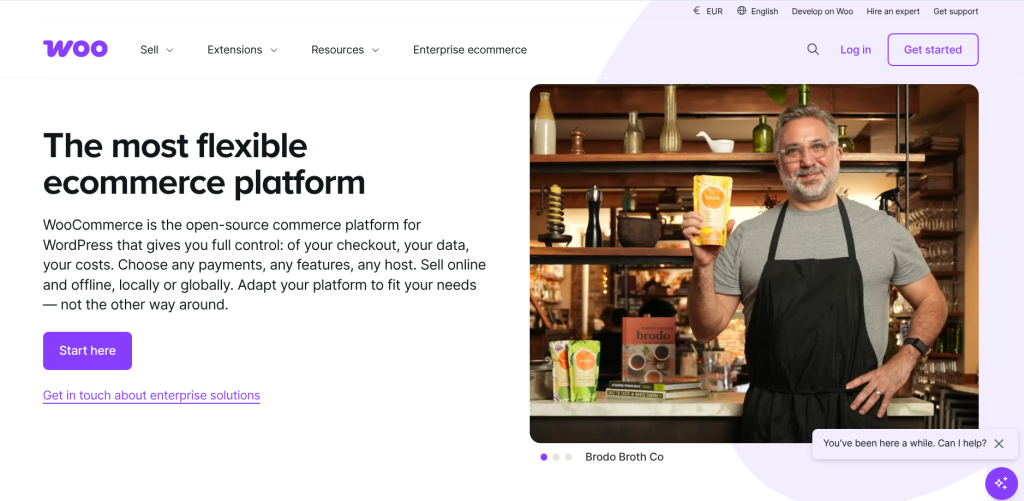
Imagine visiting WooCommerce.com, clicking “Launch Demo”, and instantly landing inside a preconfigured store with products, orders, analytics, coupons, shipping settings, and onboarding guidance already in place.
Before:
After:
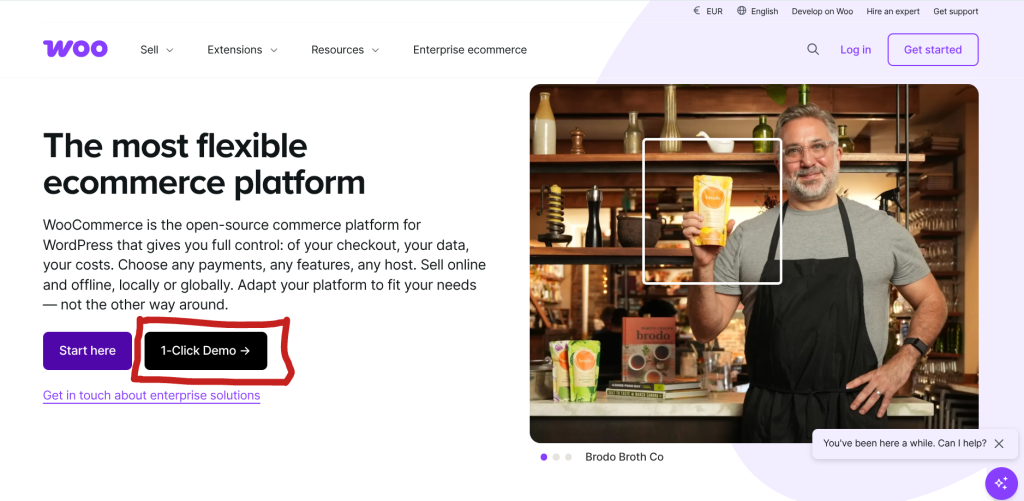
That first impression alone would be incredibly powerful because people would immediately understand that WooCommerce is flexible, open, customizable, and fully theirs.
No restrictions on payment gateways, no weird limitations, no walls around the codebase. A good demo could communicate all of this in five minutes better than twenty landing pages ever could.
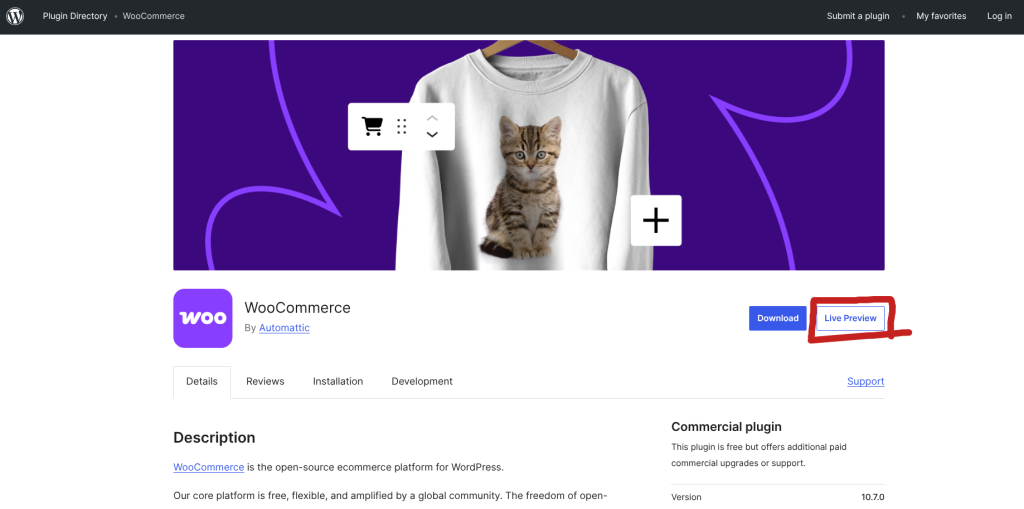
The same applies to the WordPress repo plugin page. Where is that “Live Preview” button that most WordPress plugins enabled already? This is all we need, literally:
Where Are We Sending New Users?
Whenever I look at WooCommerce entry points today, I always end up asking myself the same question. Why are we still trying so hard to explain WooCommerce instead of simply letting people experience it?
Think about the current flow. Someone lands on WooCommerce.com or the WordPress.org repository page and immediately gets hit with feature lists, screenshots, comparison tables, marketing copy, documentation links, hosting recommendations, extension suggestions, and tutorial videos. Some of it is useful, of course, but none of it replaces actual hands-on interaction with the product.
Software should be touched.
People want to click buttons, create products, test settings, and understand whether something feels approachable. Especially now that Playground exists, static landing pages feel old-fashioned.
We have the ability to give people a real WooCommerce experience instantly, yet we still rely heavily on content that asks users to imagine what the product might feel like after installation. That feels like a missed opportunity to me.
Are We Scared of the WordPress Admin?
This is probably the uncomfortable part of the conversation…
Is the reason WooCommerce doesn’t heavily promote demos because we’re worried about sending people directly into wp-admin?
Because if that’s the case, then a guided demo becomes even more important. I don’t think the problem is the actual WordPress admin itself. I mean, it must be improved, but for now I believe the problem is that most people arrive there with zero guidance, a blank dashboard with lots of random widgets, and no clue what they’re supposed to do next.
That experience can absolutely feel overwhelming, especially for beginners who are comparing WooCommerce against polished SaaS onboarding flows.
But imagine the opposite experience: you launch a WooCommerce demo and immediately see welcome messages, arrows pointing to the important sections, preloaded products, realistic orders, analytics charts, onboarding tips, and simple walkthroughs explaining what to do next.
Suddenly the WordPress dashboard feels alive. The user can see where products live, how orders work, how checkout settings behave, and why WooCommerce is so flexible.
Good onboarding changes everything.
Software Companies Understand the Power of Guided Experiences
Modern software companies figured this out years ago. Nobody drops users into an empty dashboard anymore and hopes they magically understand the product. Instead, software experiences are carefully guided through onboarding checklists, sample data, walkthroughs, quick wins, progress indicators, empty-state messaging, and interactive tutorials.
A WooCommerce demo could preload beautiful products, realistic customer accounts, fake analytics, subscriptions, shipping zones, coupons, upsells, email automations, and checkout customizations from the very first second.
That instantly helps people visualize their future store. It also reduces the intimidation factor because users no longer feel like they’re staring at a completely blank canvas wondering where to start.
The more alive the demo feels, the easier it becomes for someone to picture themselves using WooCommerce long-term.
WooCommerce Can Turn the Demo Into a Superpower!
This is why I think WooCommerce should go much further than a simple sandbox.
A proper interactive demo could become one of WooCommerce’s strongest marketing and onboarding tools. We could guide new users step by step through the backend and frontend experience while highlighting the exact advantages that make WooCommerce different from closed platforms.
Imagine onboarding messages that explain why owning your store matters. Imagine interactive prompts that show how easy it is to customize checkout, install extensions, modify templates, or use different payment gateways. Imagine a store already populated with products, orders, reports, coupons, and conversion optimization examples so the user immediately sees the platform in action instead of trying to build everything from scratch.
That kind of experience would leave a lasting impression because users would stop reading about WooCommerce and start experiencing it directly.
The Best WooCommerce Sales Pitch Is WooCommerce Itself
I really believe this 🙂
WooCommerce makes the most sense once people actually use it. Once they create products, process test orders, edit pages, customize settings, and explore the ecosystem, everything clicks into place. That’s when users start understanding the flexibility and freedom that the platform offers.
Landing pages help. Documentation helps. Videos help. But none of those things are as convincing as direct interaction with the product itself.
The best way to sell WooCommerce is to let people play with WooCommerce.
A Demo Would Help the Entire Woo Ecosystem
And the impact would go far beyond WooCommerce itself.
Plugin developers would benefit because users would discover extensions naturally inside the product experience. Agencies would benefit because better onboarding creates more successful merchants. Hosting companies would benefit because users who understand WooCommerce are more likely to commit long-term. Educators, contributors, event organizers, and theme developers would all benefit from a healthier ecosystem with stronger first impressions and lower abandonment rates.
Right now, I suspect a lot of potential users bounce long before they fully understand what WooCommerce can actually do. That’s a shame, especially because the technology needed to solve this problem already exists.
We just need to use it.